
Oral hygiene is essential for seniors to prevent issues like tooth decay and gum disease, which can worsen with age. Reduced saliva production and certain medications contribute to these challenges. Customized oral care routines, tailored to individual needs, enhance effectiveness, while specialized products, such as electric toothbrushes, offer support for limited dexterity. Caregivers play an important role by encouraging hygiene practices and identifying early dental issues. Further exploration reveals key strategies and products for best senior oral health.
Highlights
- Regular dental check-ups are vital for early detection of issues like tooth decay and gum disease in seniors.
- Customized oral care routines, including effective brushing and flossing techniques, account for individual senior needs and dexterity challenges.
- Utilizing specialized dental products, such as electric toothbrushes and dental gels, enhances oral hygiene and addresses specific age-related concerns.
- Caregiver involvement plays a crucial role in supporting seniors’ daily oral hygiene practices and maintaining a positive attitude towards oral care.
- A balanced diet rich in nutrients while avoiding harmful foods reduces the risk of nutritional deficiencies linked to oral health issues.
The Importance of Oral Hygiene in Seniors
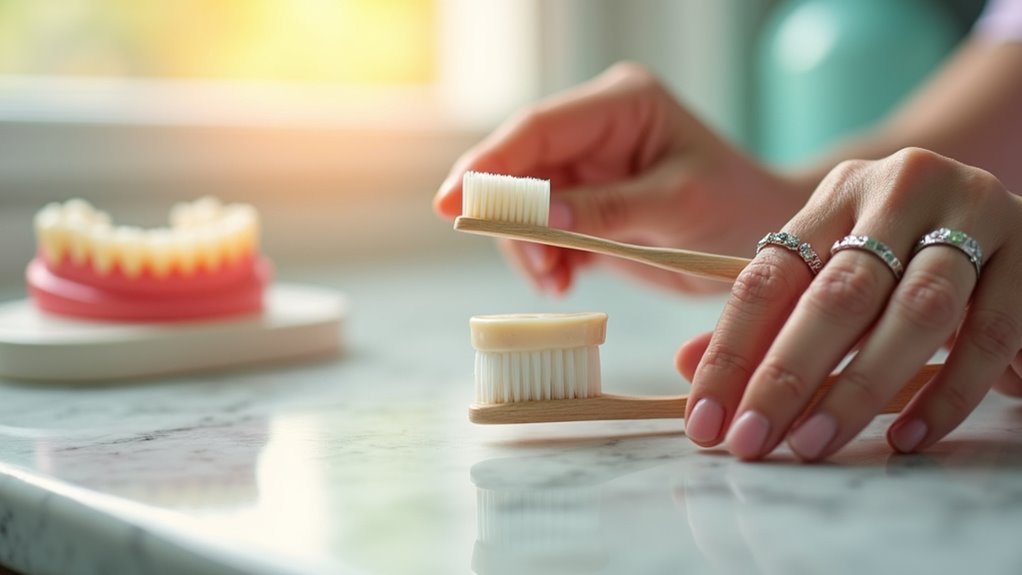
Although aging often brings various health challenges, maintaining good oral hygiene remains essential for seniors. Regular oral care is important not only for preventing dental issues but also for managing the dietary impacts that can affect overall health.
A balanced diet is fundamental for seniors, ensuring that they receive adequate nutrients while avoiding foods that may harm their teeth or gums. Preventive strategies, such as routine dental check-ups and daily brushing, serve as foundational practices to help seniors maintain their oral health.
Caregivers play an important role by encouraging these practices and providing necessary support. By prioritizing oral hygiene, seniors can enhance their quality of life and reduce the risk of systemic health complications linked to poor oral health. Regular visits to a registered dental hygienist are crucial because professional cleanings effectively remove tartar buildup that cannot be eliminated by home care alone.
Common Oral Health Issues Faced by Older Adults
As seniors age, the inevitability of physiological changes often leads to a range of common oral health issues that can adversely affect their wellbeing.
One prevalent concern is tooth decay, which becomes more frequent due to factors such as reduced saliva production and medication side effects. This decay can compromise dietary habits, leading to nutritional deficiencies.
Additionally, gum disease, encompassing gingivitis and periodontitis, can severely impact oral health if left untreated. It is marked by inflammation, bleeding gums, and can result in tooth loss.
Both conditions may not only lead to discomfort but also diminish quality of life, emphasizing the importance of timely dental evaluations and proactive care. Recognizing these issues is essential to provide effective support for seniors’ oral health.
Regular professional dental exam and cleaning, including oral cancer screening, can help detect and manage these conditions before they worsen.
Customized Oral Care Routines for Seniors
A tailored oral care routine is essential for seniors to maintain peak oral health and mitigate common challenges associated with aging.
Personalized brushing techniques, which consider individual dexterity and comfort, can greatly enhance plaque removal and overall dental hygiene. Utilizing an electric toothbrush may assist those with limited hand mobility, ensuring effective cleaning.
Personalized brushing techniques and electric toothbrushes can significantly improve dental hygiene for seniors, especially those with limited mobility.
Daily flossing is equally critical, as it helps reach areas between teeth often missed during brushing, reducing the risk of gum disease.
Incorporating regular dental check-ups reinforces these routines, allowing for timely interventions when necessary.
Specialized Dental Products for Enhanced Oral Hygiene
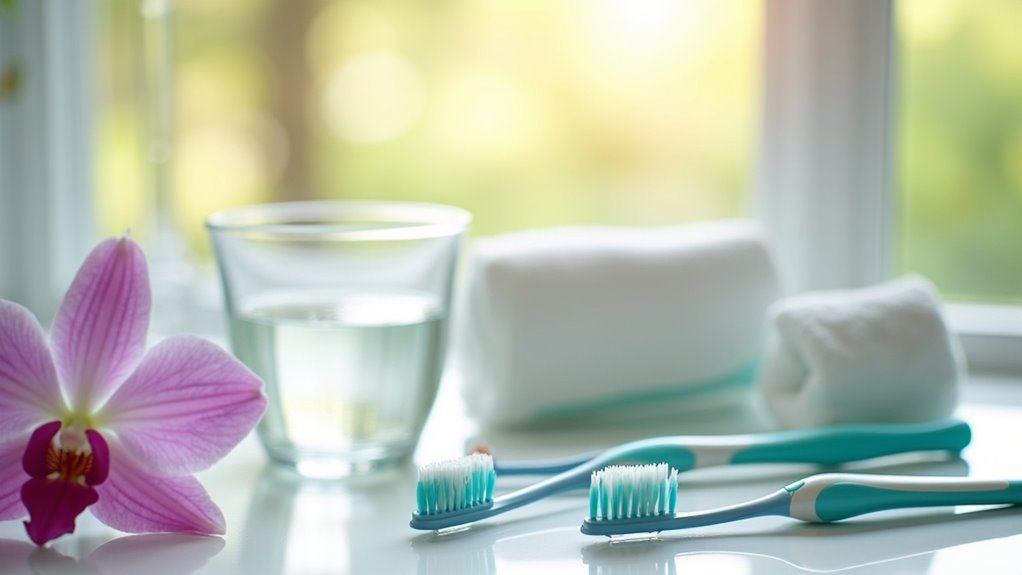
Customized oral care routines greatly benefit from the use of specialized dental products tailored to the needs of seniors.
Electric toothbrushes, designed with ergonomic handles and gentle bristle options, can notably enhance plaque removal while minimizing strain on the wrists, which is vital for those with limited mobility.
Additionally, dental gels formulated for sensitive gums can provide soothing relief and help protect against cavity formation. These gels often contain fluoride and other beneficial ingredients, promoting overall oral health.
By integrating electric toothbrushes and dental gels into daily routines, caregivers can support seniors in maintaining peak oral hygiene, ultimately leading to improved health outcomes and quality of life.
Selecting age-appropriate products not only addresses specific dental concerns but also fosters greater independence in maintaining oral care.
The Role of Caregivers in Supporting Senior Dental Health
While many seniors attempt to maintain their dental health independently, caregivers play an essential role in supporting these efforts and ensuring ideal oral hygiene.
Caregiver education is critical, as it equips caregivers with the knowledge necessary to assist seniors in their daily routines effectively. This includes helping with brushing and flossing techniques, scheduling regular dental appointments, and offering reminders about oral hygiene practices.
In addition, caregivers can identify early signs of dental issues, thereby facilitating timely intervention. By fostering a positive atmosphere around oral care, caregivers not only assist with physical tasks but also promote the mental well-being of seniors.
Ultimately, a collaborative approach to dental health enhances the quality of life for seniors, making caregiver involvement an indispensable aspect of senior care.