
Interdental cleaning, including traditional flossing, water flossers, and interdental brushes, is essential for maintaining gum health and preventing periodontal disease. Registered hygienists emphasize that daily cleaning targets plaque and food debris between teeth, areas often missed by brushing alone. Effective techniques not only reduce gum inflammation but also enhance overall oral hygiene. Utilizing antimicrobial rinses further supports this effort. Understanding these methods and their benefits can greatly improve gum health and inform better oral care practices moving forward.
Highlights
- Interdental cleaning, including flossing and using water flossers, is essential for preventing gum disease and maintaining optimal oral hygiene.
- Daily cleaning between teeth reduces plaque buildup and gum inflammation, promoting better gum health.
- Interdental brushes effectively remove more plaque than traditional floss, especially in varying interproximal spaces.
- Incorporating antimicrobial rinses into your routine enhances the benefits of interdental cleaning and further reduces harmful bacteria.
- Regular dental check-ups provide personalized guidance on interdental cleaning practices, reinforcing their importance for overall gum health.
Understanding the Importance of Interdental Cleaning
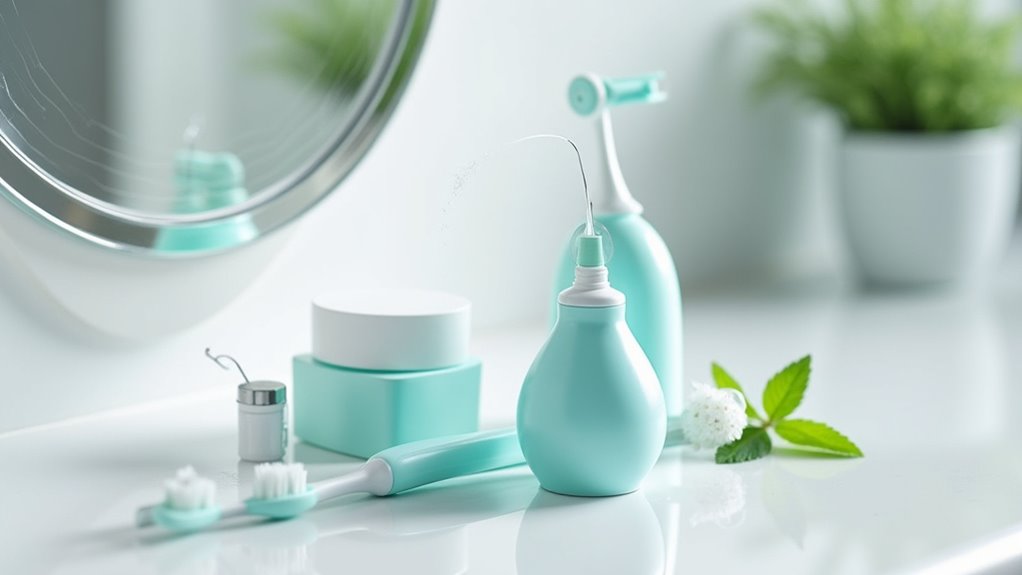
Although regular tooth brushing is essential for oral hygiene, the significance of interdental cleaning is often overlooked. Effective interdental cleaning techniques, such as using interdental brushes or soft picks, play a critical role in removing plaque and food particles from areas traditional brushing cannot reach.
This targeted approach is necessary for gum disease prevention, as plaque buildup between teeth can lead to inflammation and infection. Furthermore, individuals who incorporate these methods into their daily routines may experience improved gum health and decreased risk of periodontal issues.
Traditional Flossing: Techniques and Benefits
Flossing serves as a fundamental practice in maintaining ideal oral hygiene, particularly for cleaning the tight spaces between teeth where toothbrush bristles cannot reach.
Effective flossing techniques include using approximately 18 inches of dental floss, winding it around the middle fingers, and gently maneuvering it between teeth using a sawing motion. Care should be taken to follow the natural curves of the teeth, ensuring that the floss reaches the gum line without causing trauma.
The flossing benefits include the removal of plaque and food particles, which can considerably reduce the risk of gum disease and cavities. Regular use of dental floss contributes to overall oral health, promoting healthier gums and creating a cleaner environment for adjacent teeth.
While flossing is important, it is also essential to combine it with other key practices for dental hygiene such as daily brushing and the use of mouthwash to maintain optimal oral health.
Water Flossers: The Modern Approach to Oral Hygiene
Water flossers have emerged as a popular alternative to traditional flossing methods, offering several benefits for oral hygiene. They effectively remove food particles and plaque from between teeth and along the gum line, promoting better gum health.
Proper usage techniques are essential to maximize their efficacy and guarantee users achieve ideal results.
Regular professional cleanings by registered dental hygienists are still necessary to eliminate tartar and maintain optimal oral health.
Benefits of Water Flossers
Considering the advancements in dental hygiene technology, water flossers have emerged as a compelling alternative to traditional string floss. Their effectiveness has been supported by research emphasizing water flosser efficiency in removing food particles and plaque from difficult-to-reach areas between teeth and along the gum line.
This method not only enhances the overall cleanliness of one’s mouth but also contributes considerably to gum health. Remarkably, users often experience gum inflammation reduction, positively impacting their oral hygiene and health over time.
The gentle yet powerful stream of pulsating water effectively dislodges debris without causing discomfort, making water flossers especially beneficial for individuals with braces or dental implants.
These advantages highlight the importance of integrating water flossers into daily oral care routines.
Proper Usage Techniques
While many individuals may be familiar with traditional flossing methods, the proper usage techniques for water flossers are essential for maximizing their efficacy in promoting oral health.
To achieve ideal results, users should maintain a consistent flossing frequency, ideally incorporating water flossing into their daily routines. Adjusting the water flosser settings, such as pressure levels and nozzle angles, can enhance comfort and effectiveness.
Positioning the flosser tip at the gum line and moving it along the gum contours facilitates effective plaque removal. Additionally, utilizing a wide arc of motion ensures thorough cleaning between teeth.
Educating patients on these techniques not only empowers them to utilize water flossers properly but also fosters a commitment to enhanced oral hygiene practices within their communities.
Interdental Brushes: Effectiveness and Usage
Interdental brushes are an essential tool in oral hygiene, available in various sizes and designs to cater to diverse interproximal spaces.
Proper usage techniques are imperative for maximizing their effectiveness, ensuring thorough cleaning without damaging gum tissue.
Research indicates that regular use of interdental brushes greatly benefits gum health by reducing plaque and preventing periodontal disease.
Types of Interdental Brushes
A variety of interdental brushes are available, each designed to accommodate different needs for cleaning between the teeth and maintaining ideal gum health.
Common interdental brush types include those with tapered bristles for narrow spaces and wider options for larger gaps. Some models feature ergonomic handles to enhance grip during use, while others are disposable for convenience.
Many individuals may find these brushes more effective than traditional flossing, serving as a practical alternative cleaning method. Interdental brushes can effectively remove plaque and food particles, promoting healthier gums and preventing periodontal disease.
Proper Usage Techniques
Effective usage of interdental brushes is essential for maximizing their benefits in oral hygiene. Proper techniques enhance plaque removal between teeth, complementing traditional flossing techniques and water flossing methods.
To guarantee ideal effectiveness, users should follow these steps:
- Select the Right Size: Choose brushes that fit comfortably between the teeth without causing discomfort.
- Angle the Brush: Insert the brush at a slight angle to allow thorough cleaning along the gumline.
- Gentle Pressure: Use gentle pressure to avoid damaging the gums, retracting the brush if resistance is felt.
- Regular Cleaning: Clean the interdental brush after each use to maintain its hygiene and effectiveness.
Adopting these techniques helps individuals serve their oral health needs more effectively.
Benefits for Gum Health
While maintaining good oral hygiene is essential for overall health, the benefits of using properly sized interdental brushes extend greatly to gum health. These brushes effectively remove plaque and debris from between teeth, greatly reducing the presence of oral bacteria.
By minimizing the accumulation of plaque, interdental brushes help prevent gum inflammation, a common precursor to periodontal disease. Additionally, their design allows for targeted cleaning of specific areas, enhancing accessibility compared to traditional floss.
Regular use fosters healthier gum tissue and supports overall oral health. For individuals aiming to improve the well-being of their patients or communities, incorporating interdental brushes into daily oral care routines offers a simple yet impactful strategy for promoting gum health and reducing complications associated with gum disease.
Tips for Incorporating Interdental Cleaning Into Your Routine
How can one seamlessly integrate interdental cleaning into a daily oral hygiene routine? Establishing a consistent practice requires intentionality and creativity. Here are four tips to facilitate this integration:
- Set Daily Reminders: Utilize smartphone alerts or sticky notes in the bathroom as gentle nudges to prioritize interdental cleaning.
- Pair with Existing Habits: Associate interdental cleaning with brushing; doing it immediately after reinforces the habit.
- Keep Tools Accessible: Store floss or water flossers in visible, convenient locations to encourage regular use.
- Engage Family Members: Involve loved ones by sharing the importance of gum health and making it a group activity, fostering a supportive environment.
These strategies transform interdental cleaning from a chore to an essential part of self-care and wellness.
Expert Recommendations for Optimal Gum Health
Integrating interdental cleaning into a daily oral hygiene routine sets the foundation for stronger gum health.
Registered hygienists emphasize the importance of regular flossing or using water flossers to reduce gum inflammation. Recommendations suggest that individuals should clean between teeth at least once a day, as established cleaning frequency is essential for effectively removing plaque and food particles that contribute to periodontal issues.
Additionally, incorporating antimicrobial rinses can enhance the benefits of interdental cleaning by targeting harmful bacteria.
Regular dental check-ups also play a pivotal role in evaluating gum health, allowing for personalized advice and intervention when necessary.