
Proper brushing techniques are essential for ideal oral health. Effective plaque removal prevents decay and gum disease. A soft-bristled toothbrush with fluoride toothpaste is recommended for gentle yet thorough cleaning. Brushing twice daily for two minutes, using a 45-degree angle, maximizes effectiveness. Avoid common mistakes such as brushing too hard and neglecting tongue cleaning. Mouthwash enhances protection against bacteria and should complement brushing. Understanding these fundamentals leads to sustained dental well-being and better practices ahead.
Highlights
- Use circular or sweeping brush strokes at a 45-degree angle to effectively clean along the gum line and remove plaque.
- Brush twice daily for two minutes to maximize plaque removal and enhance overall dental health.
- Select a soft-bristled toothbrush and fluoride toothpaste to minimize gum irritation and strengthen enamel against cavities.
- Ensure to cover all tooth surfaces, including the tongue, to prevent bacteria buildup and bad breath.
- Consult a dentist for persistent dental issues, and consider incorporating mouthwash for added protection and fresh breath.
Understanding the Importance of Proper Brushing Techniques
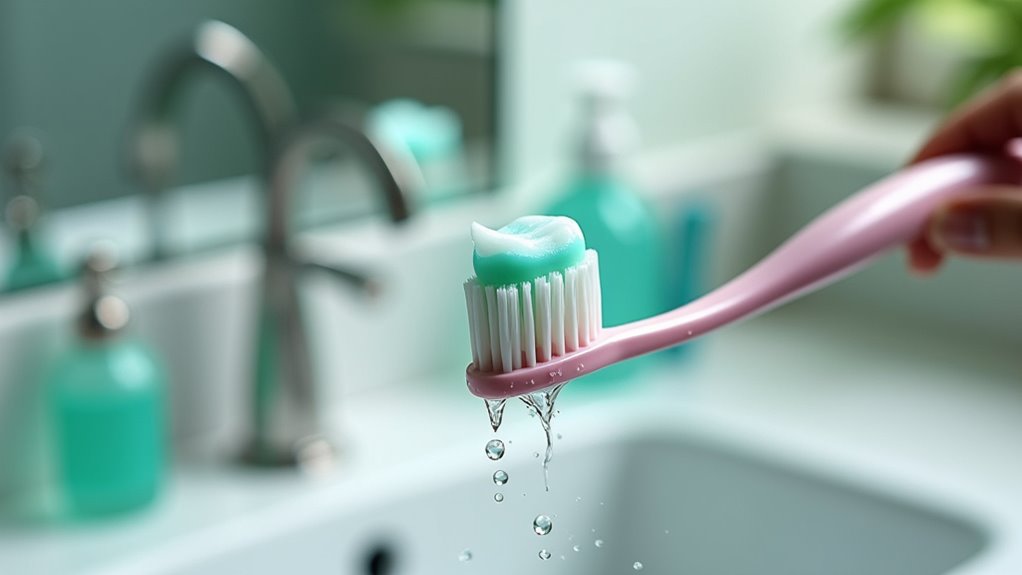
Understanding the importance of proper brushing techniques is essential for maintaining oral health and preventing dental issues. Effective brushing removes plaque, a sticky film of bacteria that can lead to tooth decay and gum disease when not adequately addressed.
To achieve peak dental hygiene, individuals should utilize a systematic approach, ensuring that all tooth surfaces are cleaned thoroughly. This includes brushing for at least two minutes, using gentle, circular motions, and focusing on the gum line to remove debris effectively.
Additionally, proper brushing helps to prevent halitosis, enhancing overall freshness. By educating others on these techniques, dental professionals can foster a culture of proactive oral health, ultimately contributing to a reduction in dental-related ailments within the community. Regular visits to a registered dental hygienist are also crucial to professionally remove tartar and maintain optimal oral health.
Choosing the Right Toothbrush and Toothpaste
Selecting the appropriate toothbrush and toothpaste is pivotal for effective dental care.
The choice of toothbrush materials—such as soft nylon bristles—plays a significant role in minimizing gum irritation while ensuring adequate plaque removal. Additionally, the design of the toothbrush, including the handle and head size, should cater to individual comfort and reach.
Choosing a toothbrush with soft bristles and an ergonomic design is essential for comfort and effective plaque removal.
Equally important are the toothpaste ingredients. Fluoride is essential for strengthening enamel and preventing cavities, while ADA-approved products guarantee safety and efficacy. Some individuals may benefit from specialized formulas, such as those targeting sensitivity or gum health.
Ultimately, a thoughtful selection of both toothbrush and toothpaste enhances oral hygiene practices, promoting better health and well-being for those served. Despite common misconceptions, untreated gum disease can lead to severe complications, making early detection critical in maintaining oral health.
The Correct Brushing Technique: Step-by-Step Guide
In establishing proper brushing techniques, the direction of brush strokes and the duration of brushing are vital factors.
Effective brushing involves sweeping the toothbrush gently in circular motions or from the gum line downward.
Additionally, a consistent brushing time of two minutes guarantees thorough cleaning of all tooth surfaces.
Brush Stroke Direction
Brush stroke direction is a fundamental aspect of effective oral hygiene that markedly influences the efficacy of tooth cleaning. Proper techniques guarantee that plaque is effectively removed from surfaces while minimizing damage to gums.
Key considerations include:
- Brushing Angles: Position the brush at a 45-degree angle to the gum line to facilitate cleaning beneath the gum tissue.
- Stroke Variety: Utilize different strokes, including circular, up-and-down, and horizontal, to maximize coverage and effectiveness.
- Gentle Pressure: Maintain a light grip to avoid irritation of the gums.
- Timing: Verify that each quadrant of the mouth receives equal attention for ideal results.
Duration of Brushing
Two minutes is the recommended duration for effective tooth brushing, as this amount of time allows for thorough removal of plaque and debris. This brushing duration is essential in maintaining ideal oral health.
To enhance effectiveness, individuals are encouraged to utilize timing techniques, such as using a timer or an electric toothbrush with a built-in timer, which prompts them when two minutes have elapsed. Dividing the mouth into quadrants can also aid in ensuring equal attention is given to each area, preventing missed spots.
Establishing a consistent routine that adheres to this two-minute guideline fosters better dental hygiene and supports overall health, promoting a service-oriented approach to personal care and the well-being of others.
How Long and Often Should You Brush?
To maintain peak oral health, understanding the ideal brushing duration and frequency is essential.
Experts generally recommend brushing twice a day for at least two minutes each time, ensuring thorough coverage of all tooth surfaces.
Additionally, timing brushing after meals can considerably influence plaque control and overall dental hygiene.
Ideal Brushing Duration
While many individuals may underestimate the importance of brushing duration, research consistently highlights that a proper oral hygiene routine necessitates a commitment to brushing both time and frequency.
Experts recommend that individuals brush for at least two minutes, ensuring thorough cleaning of all surfaces.
The benefits of adhering to this ideal brushing duration include:
- Enhanced plaque removal, decreasing the risk of cavities.
- Improved gum health, reducing the likelihood of periodontal disease.
- Fresher breath, contributing to overall social confidence.
- Increased awareness of dental needs, fostering a proactive approach to oral hygiene.
Frequency Recommendations
Establishing a consistent brushing frequency is essential for maintaining ideal oral health. Dental professionals generally recommend a frequency of twice a day, preferably in the morning and before bedtime, to effectively remove plaque and prevent cavities.
Adhering to this brushing schedule assists in achieving peak dental hygiene, ensuring teeth remain clean and healthy. Additionally, it is beneficial to incorporate fluoride toothpaste during each brushing session to enhance enamel strength and provide further protection.
For those who may require further guidance, consulting a dental professional can provide tailored recommendations based on individual needs.
Ultimately, maintaining the recommended frequency of brushing not only improves oral health but also promotes overall well-being, serving the community through better preventive dental care practices.
Timing After Meals
The timing of brushing after meals plays an essential role in oral health maintenance. To maximize enamel protection and overall dental hygiene, it is vital to reflect on ideal meal timing for brushing.
Experts recommend the following guidelines:
- Wait at least 30 minutes after eating to brush.
- Choose to brush at least twice a day to maintain consistency.
- Use fluoride toothpaste to enhance enamel protection.
- Rinse with water after meals if brushing isn’t immediately possible.
This waiting period allows saliva to neutralize the acids produced by food, reducing the risk of enamel erosion.
Common Brushing Mistakes and How to Avoid Them
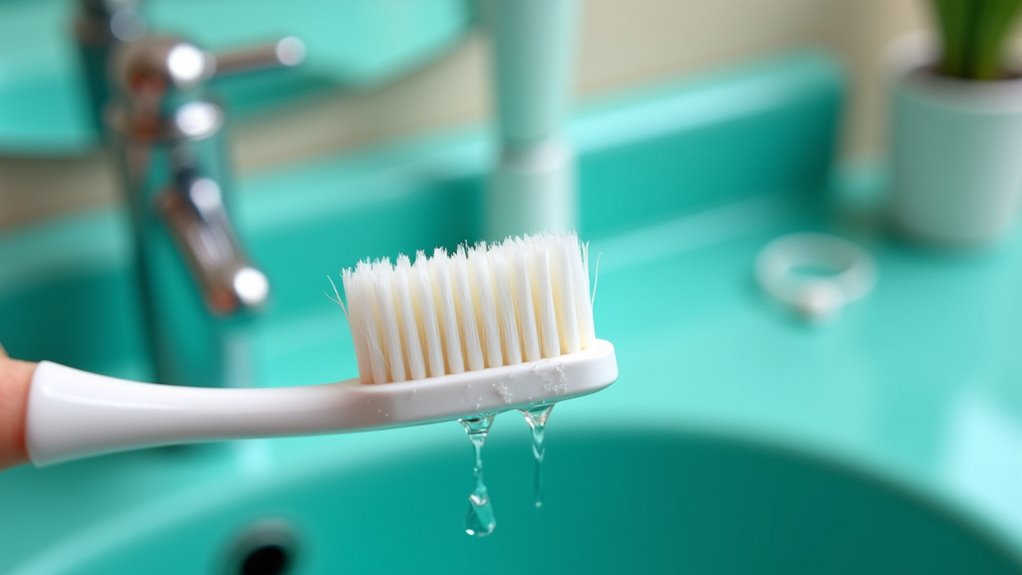
Many individuals unknowingly commit common brushing mistakes that can compromise oral hygiene and dental health.
One prevalent error is brushing too hard, which can lead to gum irritation and enamel wear. Adopting a gentle touch, combined with a soft-bristled toothbrush, is essential for ideal care.
Additionally, many neglect the tongue during their oral hygiene routine, allowing bacteria to proliferate in the mouth, contributing to bad breath and potential oral health issues.
Neglecting the tongue can lead to bacteria buildup, causing bad breath and oral health issues.
To avoid these mistakes, individuals should guarantee they brush gently for the recommended two minutes, focusing on all surfaces of the teeth and including the tongue in their routine.
These simple adjustments can significantly improve the effectiveness of brushing and support overall dental well-being.
The Role of Flossing and Mouthwash in Oral Health
Effective oral hygiene extends beyond brushing; incorporating flossing and mouthwash plays an essential role in maintaining dental health.
These practices greatly contribute to preventing plaque buildup and promoting overall oral health.
Key points regarding the role of flossing and mouthwash include:
- Flossing benefits: Removes food particles and plaque between teeth that brushing alone may miss.
- Mouthwash effectiveness: Provides additional protection against germs and bacteria, contributing to fresher breath.
- Improved gum health: Regular flossing reduces the risk of gum disease, promoting overall oral wellness.
- Comprehensive care: Flossing and mouthwash complement brushing, creating a thorough oral hygiene routine essential for preventing cavities and decay.
When to See a Dentist for Professional Advice
Recognizing the limits of daily oral care is fundamental for maintaining dental health, as certain signs indicate the need for professional intervention.
Individuals should consult a dentist when experiencing persistent oral symptoms, such as pain, swelling, or bleeding gums, which may signal underlying issues. Additionally, dental emergencies—such as trauma or severe toothaches—require immediate professional evaluation.
Regular preventive checkups are essential for early detection of potential problems, ensuring timely treatment and fostering ideal oral health. Professionals can offer valuable insights and tailored advice on maintaining dental hygiene.